
What do I need to do about the 2026 Fair Work wage increase?
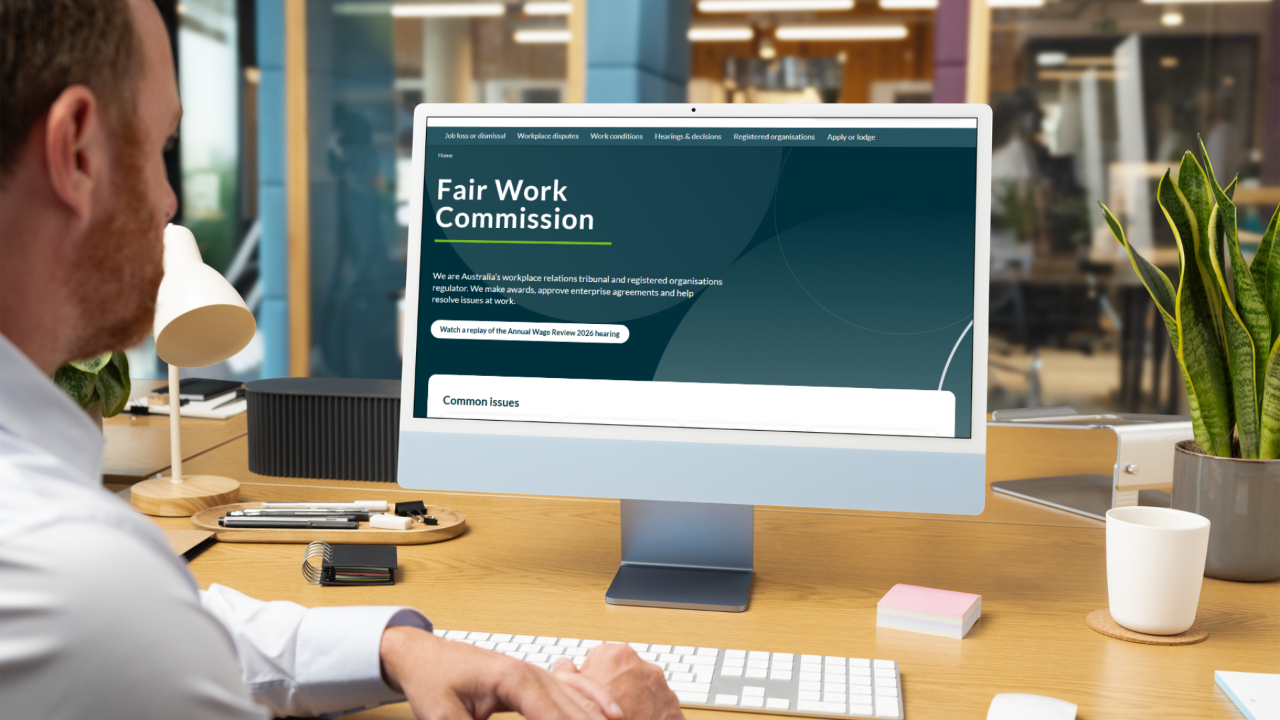
The Fair Work Commission has announced a significant increase to minimum wages and award rates from 1 July 2026, and many Australian small business owners are wondering what it means for their payroll, cash flow and compliance obligations.
If you employ staff who are paid under a Modern Award, these changes will directly affect your business. Understanding what has changed, who is impacted and what actions you need to take now will help you stay compliant and avoid costly underpayment issues.
What wage changes are taking effect from 1 July 2026?
The Fair Work Commission has determined that the National Minimum Wage will increase to $1,004.90 per week, or $26.44 per hour, from 1 July 2026. At the same time, minimum rates of pay contained within Modern Awards will increase by 4.75%. These increases are mandatory and must be passed on to eligible employees.
For many small business owners, this announcement lands at a time when margins already feel tight. Rising costs, ongoing economic pressure and increasing compliance requirements mean another wage increase can feel challenging to absorb.
The reality is that most business owners I speak with understand why wage increases happen. We all feel the impact of inflation in our own households. The challenge is balancing those realities with the practical demands of running a profitable business. If you're already feeling like you're putting out fires all day, this announcement may feel like one more thing added to the list.
Why did the Fair Work Commission approve these increases?
Every year, the Fair Work Commission is legally required to conduct the National Wage Review. As part of that process, it considers economic conditions, inflation data, submissions from unions and business groups, and broader factors affecting both employees and employers.
In announcing the 2026 decision, the Commission placed significant weight on inflation and the increasing cost of living. It also noted that real wages had fallen compared to previous years, creating pressure on lower-paid workers. The Commission's role is to balance the needs of employees with the sustainability of businesses, and this year's decision reflects its view that wage growth is required to address those pressures.
While unions sought larger increases and business groups argued for smaller adjustments, the Commission ultimately landed on a 4.75% increase for award rates and a higher increase to the National Minimum Wage.
Which businesses are most affected by the wage increase?
Businesses employing staff on Award minimum rates will be most directly impacted.
According to the Commission, approximately 21.1% of Australian employees are paid Award minimum rates. These workers are heavily represented in industries such as retail, hospitality, accommodation, food services, healthcare, social assistance and administrative services. Many are part-time or casual employees.
Even if you don't pay Award minimum rates, don't assume you're unaffected. Many business owners pay above Award and believe they're protected from future increases. In reality, Award increases can still create compliance risks if the gap between your rates and the Award narrows over time.
What should business owners do before 1 July?
The most important step is to review how every employee is currently paid.
If you pay Award rates, you'll need to update your payroll system to reflect the new minimum rates from 1 July. While Fair Work generally updates Awards on the actual commencement date, you should begin preparing well beforehand so you're not scrambling at the last minute.
You'll also need to review any allowances that apply to your employees. Travel allowances, kilometre reimbursements, uniform allowances, laundry allowances and other Award-based payments will typically increase as well. The exact adjustment varies depending on the Award.
A great place to start is creating a simple checklist:
-
Review applicable Awards
-
Identify employees paid at or near minimum rates
-
Check all allowances
-
Update payroll systems
-
Communicate changes to employees
-
Confirm compliance from 1 July
The truth is, preparation is far easier than fixing underpayments later.
Why annualised salary and above-award arrangements need attention
One of the most commonly overlooked areas after a wage review is annualised salary arrangements and above-award agreements.
Many businesses use annualised wage agreements or individual flexibility arrangements to simplify payroll. These arrangements typically pay employees a higher fixed amount in exchange for allowances, penalty rates or overtime entitlements.
The challenge is that when Award rates increase, your existing arrangement may no longer leave the employee better off overall.
This means an agreement that was fully compliant twelve months ago could become non-compliant after the 1 July increase.
If you use annualised salaries or above-award arrangements, now is the time to conduct a thorough review. Ensure the employee still passes the Better Off Overall Test and that the fixed salary remains sufficient when compared against updated Award entitlements.
What happens if you don't update employee pay rates?
Failing to implement wage increases can expose your business to underpayment claims, back-pay obligations and regulatory scrutiny.
The Fair Work Ombudsman continues to take wage compliance seriously, and ignorance is rarely accepted as a defence.
What often catches business owners out is that underpayments aren't always intentional. A payroll setting isn't updated. An allowance increase is missed. An annualised salary isn't reviewed after an Award change.
These mistakes can seem small individually, but over time they compound into significant liabilities.
The reality is that compliance isn't just about avoiding penalties. It's about creating confidence that your systems are working properly and your business is protected.
When do the new rates officially start?
The increases take effect from 1 July 2026. Employees who are entitled to Award minimum rates or the National Minimum Wage must receive the updated rates from that date.
Will all employees receive a 4.75% pay rise?
No. The 4.75% increase applies to Award minimum rates. Employees already paid above Award may not automatically receive the same increase, although employers should review arrangements carefully to ensure compliance.
Do allowances increase by 4.75% as well?
Not necessarily. Allowances are reviewed separately and may increase by different amounts depending on the Award and the specific allowance involved.
What if I pay salaries rather than hourly rates?
You still need to review salary arrangements to ensure employees remain better off than the relevant Award entitlements after the wage increase takes effect.
Are more wage changes coming?
Yes. The Fair Work Commission continues to review industries through its gender undervaluation work, with significant changes already announced for some sectors and further reviews underway.
A real business example
I previously supported a business who were not paying their staff annual leave loading, because they assumed the above award rates they were paying meant they were covered.
Problem is, after several consecutive award increases, they were no longer covered (not to mention they failed to have the right documents in place to actually make this possible).
The result? A team member complaining to Fair Work, and audit, and a significant back payment bill.
This is exactly why annual wage reviews should never be treated as something that only affects businesses paying minimum wages.
The difference between reacting and planning ahead
Many business owners approach wage reviews reactively. They wait until July, hear about the changes, then scramble to update payroll and work out the impact on cash flow.
The problem with this approach is that it creates unnecessary pressure and increases the likelihood of mistakes. Important details such as allowances, salary reviews and individual agreements are often missed.
A planned approach looks very different. You review your workforce before the changes take effect.
You understand which employees are affected. You model the financial impact. You update systems and communicate clearly with your team.
Both approaches result in wage increases being implemented. Only one gives you confidence that you've done it correctly.
What other Fair Work changes should be on your radar?
The Commission has also continued its work examining gender undervaluation across Award-covered industries. Significant changes are already underway in sectors such as health, community services and disability services, with some classifications receiving substantial increases and structural changes over coming years.
For businesses operating in these sectors, the annual wage review may be only one part of a much larger compliance picture.
The reality is that wage compliance is becoming more complex, not less. Business owners who stay informed and review their systems regularly will be in a much stronger position than those relying on outdated assumptions.
If you're unsure whether your payroll, Award classifications or salary arrangements remain compliant after these changes, now is the time to check.
For business owners who want support navigating wage reviews, Award obligations and team management challenges, People Powered HR provides practical guidance and all the resources you need to your business as it grows.
