
Can I rely on AI to manage HR in my business?
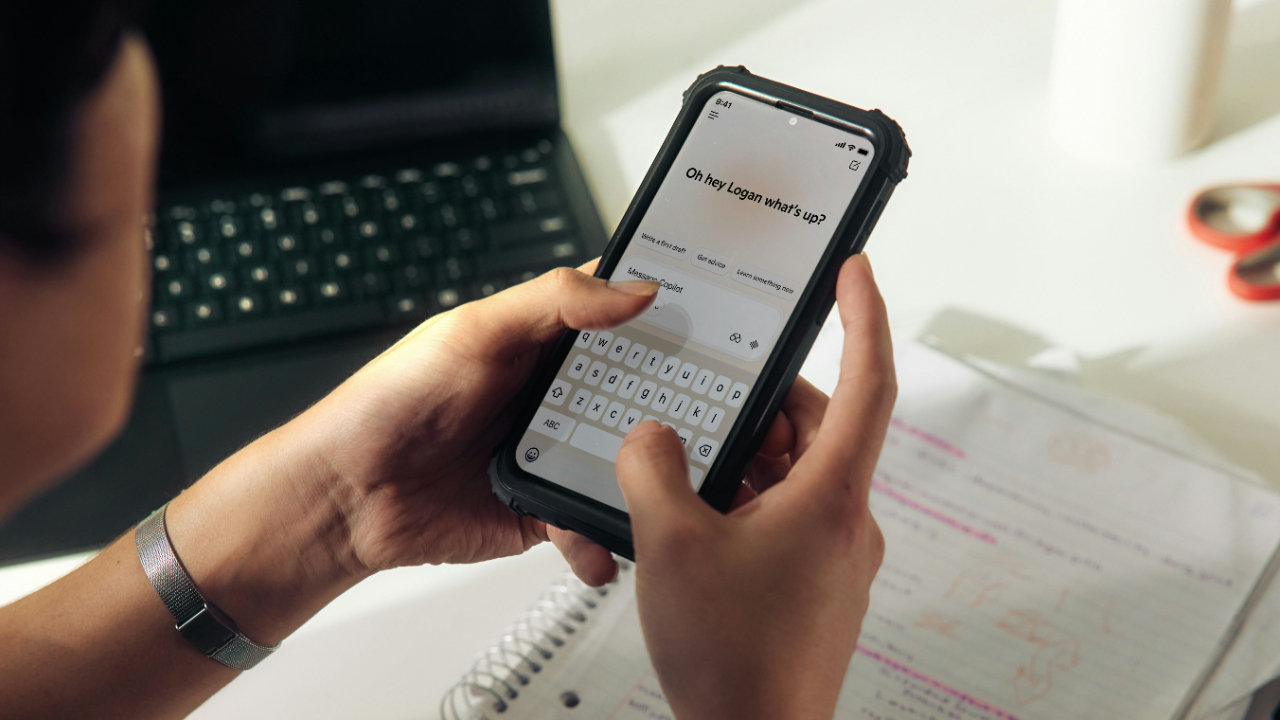
If you are running a small business right now, chances are you are already using AI to help with your team. It might be writing job ads, drafting emails or even helping you figure out how to handle a tricky situation.
The convenience is real, but so is the risk. AI can sound confident and credible while being completely wrong, and when it comes to your people, that can create serious problems.
Where AI helps and where it becomes risky
AI can absolutely support you with HR tasks, but it should not be making decisions or giving you final answers on anything high stakes.
It works best as a starting point, helping you draft, structure or simplify information. It becomes risky when you rely on it for compliance, legal interpretation or decisions that affect someone’s employment, because it does not understand your specific situation and can easily give incorrect guidance.
If you are anything like most business owners I work with, you are already time-poor and looking for ways to move faster. You might be using AI to shortcut things because you are sick of Googling, sick of second-guessing, and just want a clear answer. At the same time, you probably do not feel fully confident in HR or employment law, which makes it even more tempting to trust what sounds like a very smart tool. That is exactly where things can go wrong.
When is it actually safe to use AI for HR tasks?
The safest way to think about AI is this: use it to get started, not to get it right.
AI is incredibly useful for taking you from a blank page to a first draft. If you are writing a job ad or a position description and you are stuck, it can help you put something together quickly. You can then refine it based on what you know about the role and your business.
It is also helpful for structuring things. For example, turning your messy notes into a team meeting agenda or summarising a long document into key points. These are low risk uses where you are still in control of the outcome.
Another strong use case is helping you prepare for conversations. If you are dreading a difficult chat with a team member, AI can help you draft a starting script. That can give you confidence and clarity, even if you adjust it before using it.
In all of these examples, you are still the decision-maker. AI is just supporting your thinking.
Why AI struggles with HR and compliance
The reality is, HR is not just about information. It is about interpretation, nuance and context.
AI does not know your business, your team or the full details of your situation. It also does not know what it does not know. It cannot ask the right follow-up questions to clarify important details, which are often the exact things that determine whether something is compliant or not.
On top of that, Australian employment law is complex and constantly changing. Modern awards, pay rates, allowances and conditions are updated regularly, and AI may not be working from the most current or correct information.
Even when it gives you an answer that sounds right, it may be based on incomplete or outdated data. That is where the real risk sits.
What can go wrong if you trust AI too much?
The biggest risk is not that AI gives you bad advice. It is that it gives you believable advice that is wrong.
When that happens in HR, the consequences can be significant. You could apply the wrong award, miscalculate pay rates or miss an important legal requirement. That can quickly turn into underpayment issues or wage theft claims.
It also becomes dangerous when you use AI to guide decisions like hiring, performance management or termination.
These are all high-stakes areas where the process matters just as much as the outcome.
If the process is wrong, even if your intention was right, you can end up dealing with an unfair dismissal claim or other legal challenges. These are not small issues. They take time, energy and money to resolve.
The ‘stakes test’ every business owner needs to use
A simple way to decide whether AI is appropriate is to ask yourself how high the stakes are.
If the outcome has minimal risk, such as drafting a document or organising information, AI is a great tool. It can save you time and help you move faster.
If the outcome has legal, financial or reputational risk, AI should not be your final source of truth. That is where you need to verify the information or get expert advice.
The higher the stakes, the more important it is to involve a human who understands the space.
What this looks like in a real business
One business owner I worked with had started using AI to manage more of their HR processes. They were drafting employment contracts, checking pay rates and even getting advice on how to handle a performance issue.
On the surface, everything looked fine. The responses they were getting were detailed and sounded professional.
The problem was, some of the advice was wrong. Not obviously wrong, but wrong enough to create risk. In one case, they were underpaying staff based on incorrect award interpretation. In another, they were about to follow a performance management process that would not have held up if challenged.
We reviewed everything, corrected the issues and put proper systems in place. But the cost of fixing it was significantly higher than if they had checked things properly from the start.
The difference between using AI well and using it poorly
Using AI well means treating it as a support tool. It helps you think, draft and organise, but you remain responsible for the final outcome.
Using it poorly means treating it as an expert. You take its answers at face value and apply them without question, especially in complex or high-risk situations.
One approach saves you time and improves efficiency. The other can create compliance issues and legal risk.
How to use AI safely in your business
If you are going to use AI for HR, there are a few simple rules that will keep you on the right side of the line.
First, use it to start things, not finish them. Let it help you get moving, but do not rely on it for final decisions.
Second, always verify anything related to compliance. That might mean checking the Fair Work website, reviewing the relevant award or speaking to someone who knows what they are doing.
Third, recognise when you are out of your depth. If you are dealing with something complex or high-stakes, it is worth getting expert input before you act.
These steps are not about slowing you down. They are about protecting your business.
Can AI replace an HR expert?
No. It can support HR tasks, but it cannot interpret legislation, understand nuance or apply the law correctly to your specific situation.
Is it okay to use AI for drafting HR documents?
Yes, as a starting point. You still need to review, edit and ensure the final version is accurate and appropriate for your business.
What are the biggest risks of using AI for HR?
Incorrect advice that sounds credible, especially around pay, compliance and legal processes. This can lead to underpayment, claims or disputes.
How do I know when to stop relying on AI?
When the decision involves legal risk, financial impact or someone’s employment. That is your signal to verify or get expert advice.
Will AI improve enough to handle HR properly?
It will continue to improve, but right now it does not replace human expertise in complex, nuanced areas like employment law.
What this means for you as a business owner
The truth is, AI is not the problem. It is how you use it that matters. If you use it to save time on admin and get clarity on simple things, it can be incredibly helpful. If you rely on it to make decisions or guide you through complex HR situations, it can create risk very quickly.
Your role is to stay in control of the decisions that matter. That means knowing when to lean on tools and when to step back and get proper advice.
Because fixing an issue after the fact is almost always more expensive, more stressful and more time-consuming than getting it right in the first place.
If you are finding yourself second-guessing decisions or wondering whether you have relied on AI a bit too heavily, that is usually a sign you need more clarity and support around your people management approach.
Inside People Powered HR this is exactly what we work through. Not just the technical side of managing your team, but how to make confident, informed decisions so you are not constantly questioning whether you have got it right.
